For the last few years, Apple hasn’t exactly been rewriting the smartwatch playbook. Aside from introducing the bulky Ultra form factor back in 2022, their wearables have largely coasted on mild silicon bumps and niche software features. But for the tenth-anniversary Apple Watch, Cupertino is bringing some more noticeable changes to the table, even if they aren’t totally reinventing the wheel.
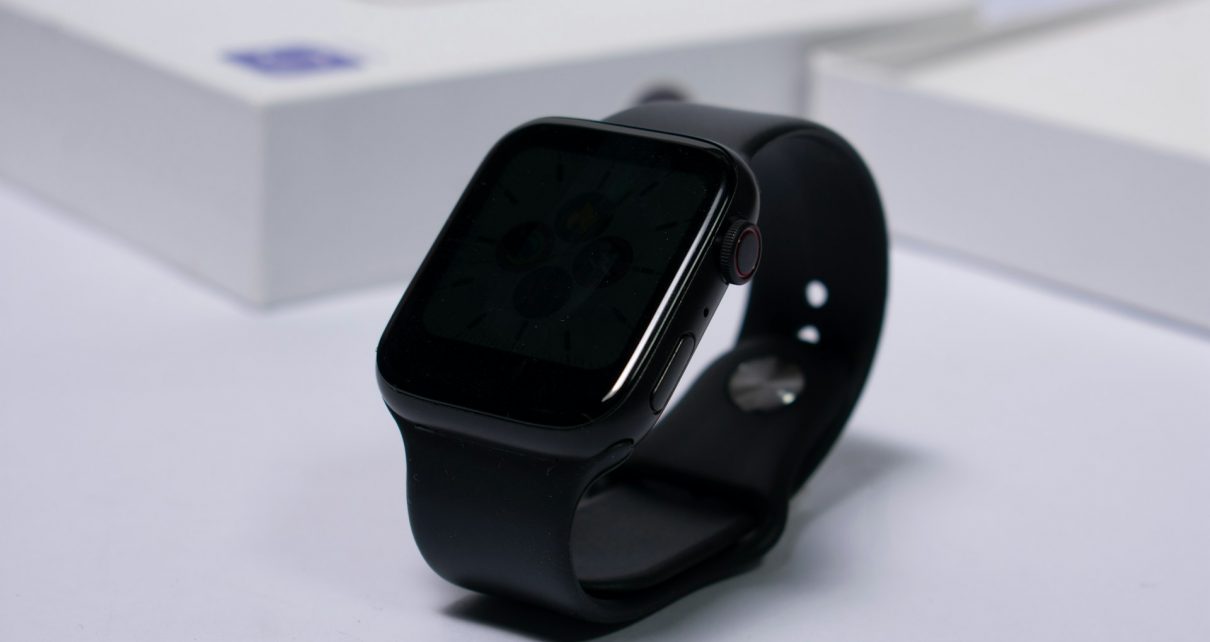
When you stack the new Series 10 against last year’s Series 9, the core aesthetic is clearly still there, just a bit more rounded out. The real story is the physical footprint. The smaller case steps up from 41mm to 42mm, while the larger model stretches from 45mm to a beefy 46mm. Along with that screen real estate bump, Apple managed to shave off 10% of the thickness and weight. They’ve pitched this as a major, ground-up redesign. Truthfully, it still looks very much like the Apple Watch we already know. And while a more svelte chassis is always nice to have on the wrist, you have to wonder if a lot of users wouldn’t have happily traded that saved millimeter of thinness for a battery that lasts longer.
Good news for anyone with a drawer full of accessories: your old bands will still snap perfectly onto the new models. One material that won’t be making a return, however, is Finewoven. Apple’s heavily critiqued plastic alternative to leather never really caught on with buyers, so it’s been pulled from the lineup entirely.
The colorways also got a serious shakeup. The aluminum Series 9 gave us five options—Starlight, Midnight, Silver, Product RED, and Pink. The Series 10 slims that down to just three: Silver, Rose Gold, and a ridiculously good-looking Jet Black. This high-gloss finish hits right in the iPhone 7 nostalgia center, and while Apple claims it’s incredibly scratch-resistant, we’ll see how well that holds up out in the real world. On the premium end of things, the Series 9’s heavy polished stainless steel has been completely swapped for titanium. Available in Slate, Gold, and Natural, it brings heavy-duty durability while dropping a significant amount of weight compared to steel.
So, does this formula of highly calculated, iterative design actually work for Apple? The numbers say absolutely. Despite aggressive government subsidies pushing domestic electronics in China, Apple’s stranglehold on the wearable space is practically bulletproof. Counterpoint Research’s Q1 supply chain data shows the global smartwatch market ticked up by about 4%, and the main engine driving that growth was Apple’s fall lineup.
Riding the momentum of models like the Series 11, Ultra 3, and SE 3, Apple saw its shipment volume skyrocket by 21% year-over-year. Nobody else in the top ten is growing that fast. They locked down 23% of all global shipments—a slice of the pie that might sound somewhat modest until you realize just how flooded the broader market is with cheap, disposable fitness trackers. Counterpoint noted that the budget-friendly SE 3, along with minor health tech additions like hypertension alerts, did a lot of the heavy lifting for those sales figures.
Meanwhile, the rest of the pack is dealing with a very different reality. Samsung took an absolute beating, dropping 28% in shipments and sliding down to fifth place with just 5% of the market. Over in China, extended government tech subsidies are definitely keeping local brands well-fed and highly competitive. Huawei sits comfortably at number two with a 17% market share after a 12% jump, while Xiaomi grabbed 10%. Even Imoo, leaning entirely on the niche kids’ smartwatch market, holds down 7%.
The rest of the non-top-five brands are left fighting over the remaining 38%, a segment of the market that actually shrank slightly. Ultimately, while the Apple Watch hardware might not feel purely revolutionary anymore, Apple’s calculated playbook is clearly doing exactly what it’s supposed to do.